
How English Channel swimmer Mercedes Gleitze became Rolex’s first brand ambassador in 1927

By Rob Corder
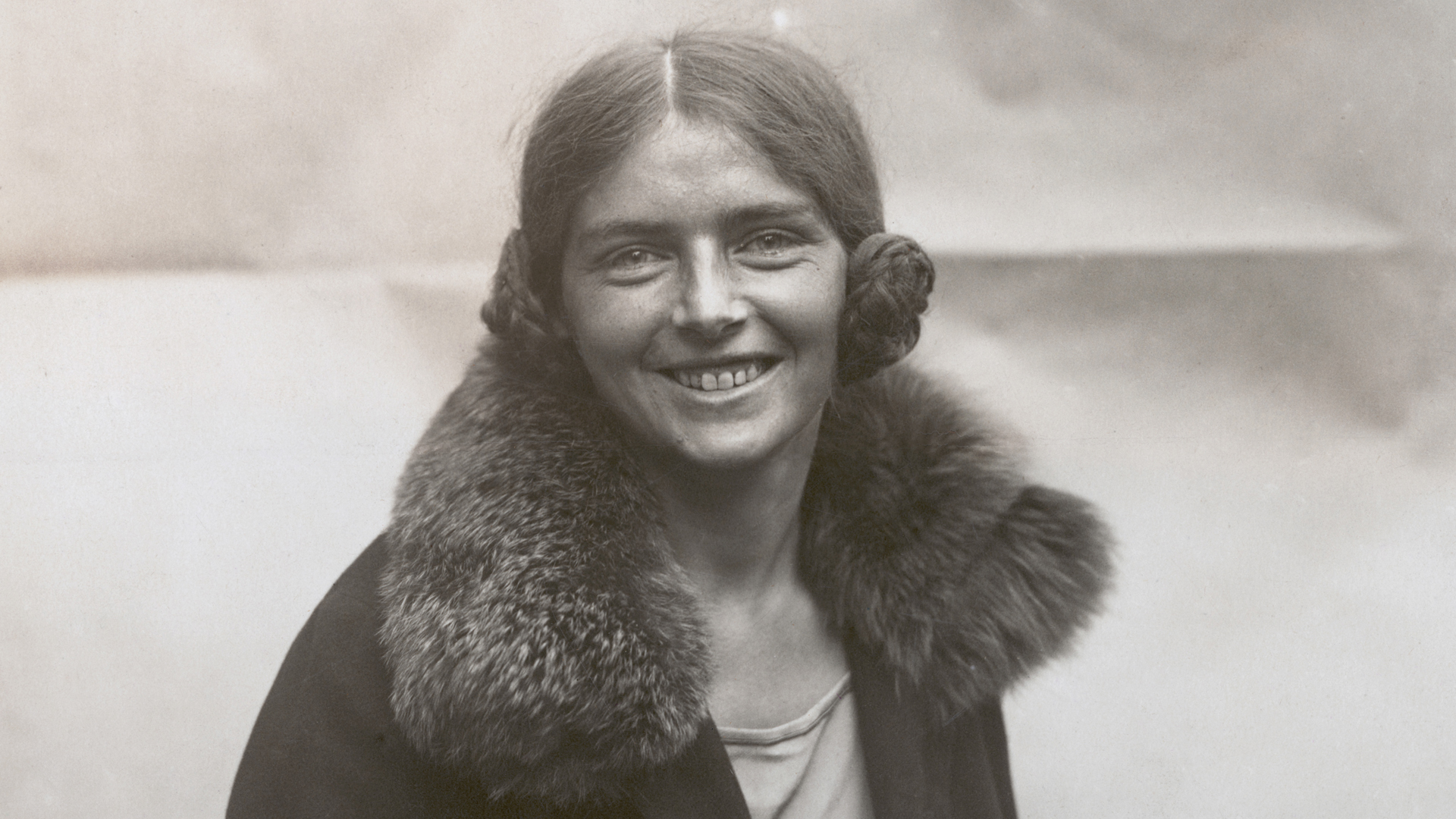
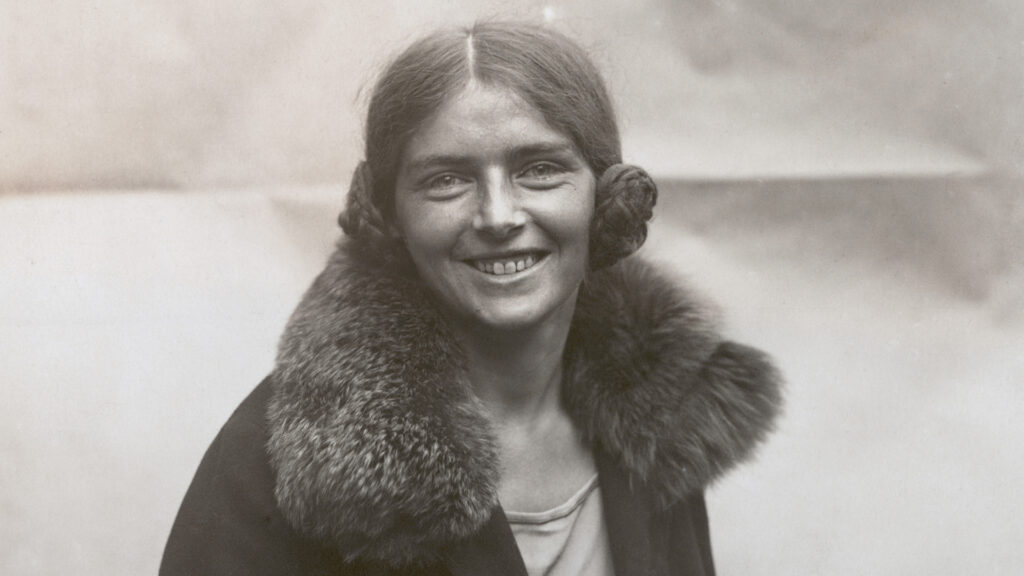
Mercedes Gleitze may not be a household name today, but in the years between the horrors of World War I and II, she became a symbol of hope, endurance and excellence when she became the first British woman to swim across the English Channel.
She also became Rolex’s first brand ambassador.
In 1927, Gleitze’s story inspired a divided Europe. Born in Brighton in 1900 to German-immigrant parents, her swim took on a symbolism for reuniting a continent still recovering from the ravages of the Great War.
She attempted her first Channel swim in 1922 but was forced to abandon it after only three hours when her shoulder muscles gave out.
Undeterred, she made seven more unsuccessful attempts, and was beaten to the prize of becoming the first woman to make the 21 mile swim by American swimmer Gertrude Ederle in 1926.
The race was still on to become the first British athlete to make the crossing and, on October 7, at her eighth attempt, Gleitze completed the swim from Cap Gris-Nez in France to the white cliffs of Dover, making land in just over 15 hours.
However, the triumph was soon clouded by controversy. Days later, another British swimmer — Dr. Dorothy Cochrane Logan — claimed she had completed the Channel swim faster than Gleitze, but later admitted her claim was a hoax.
This led to public scepticism over Gleitze’s swim, and whether it should be officially ratified.
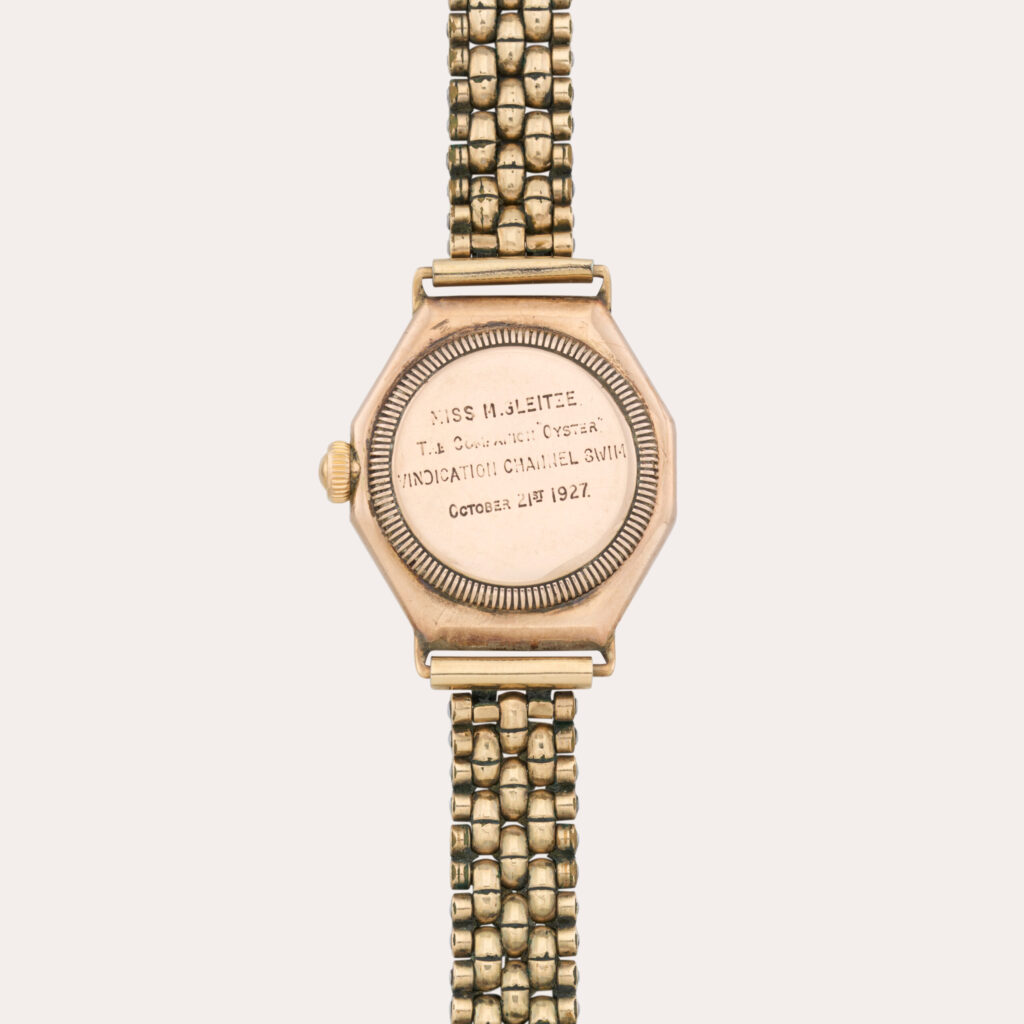
Refusing to let the doubts tarnish her achievement, Gleitze agreed to a “vindication swim” two weeks later, by which time conditions in the Channel had deteriorated, and she abandoned the attempt after 10 hours 24 minutes.
The swim was also a major media circus at the time in 1927, and led to Rolex using the event for what is now described as the first brand ambassador marketing activation in its history.
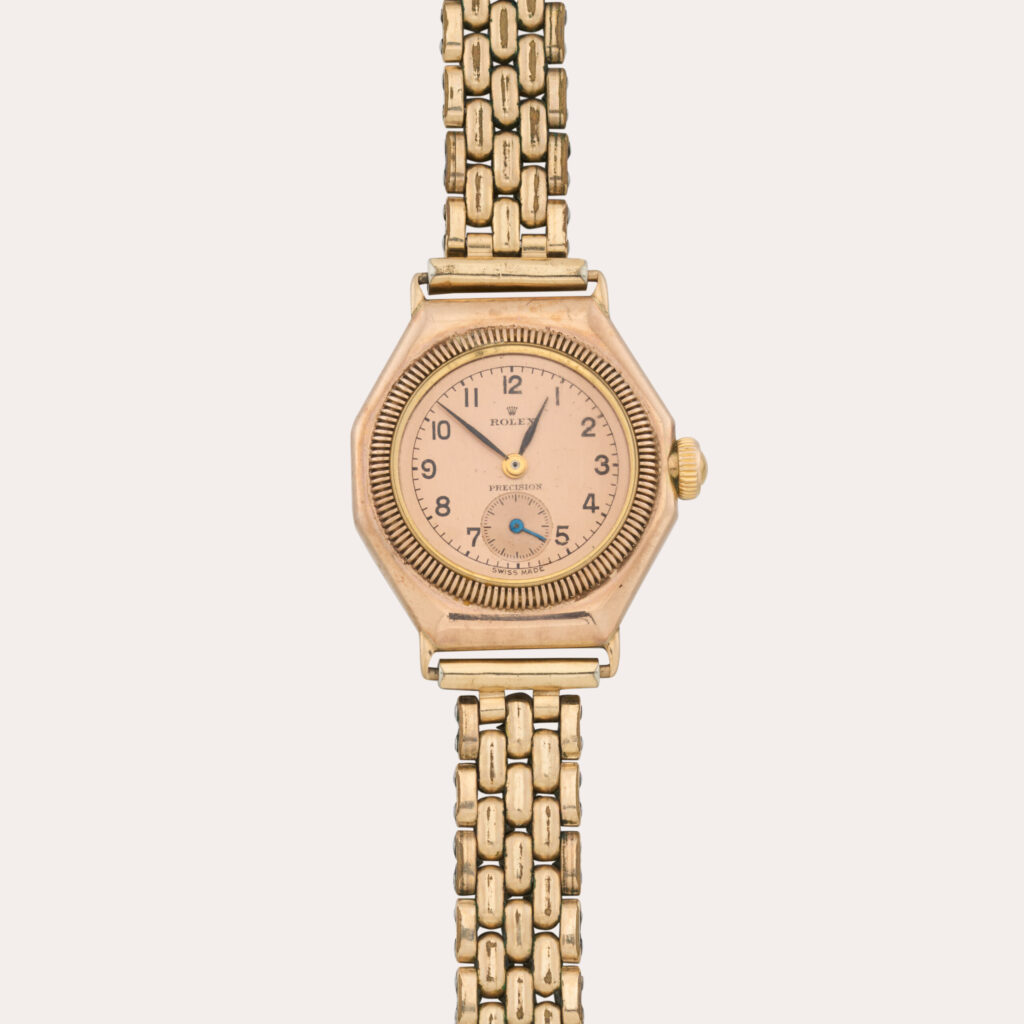
Hans Wilsdorf, who was also of German descent before making his mark with the launch of Rolex in London, provided Gleitze with a Rolex Oyster, which she tied around her neck during her Vindication Swim.
It was shown to be still in working order after the attempt; a significant achievement in the early years of wristwatches taking over from much larger pocket watches.
Rolex officially referred to Gleitze as a testimonee at the time, a term it continues to favour over the more commonly used brand ambassador.
Wilsdorf didn’t stop at persuading Gleitze to use the timepiece. He built a promotional campaign around the Vindication Swim and used it to highlight the Rolex Oyster’s water resistance in advertising that described it as “The watch that defied the Channel”.
Glietze also described the watch’s performance following her Vindication Swim.
“You will like to hear that the Rolex Oyster watch I carried on my Channel swim proved itself a reliable and accurate timekeeping companion even though it was subjected to complete immersion for 10h24 hours in sea water at a temp of not more than 58 [Fahrenheit] and often as low as 51. This is to say nothing about the sustained buffeting it must have received. Not even the quick change to the high temp of the boat cabin when I was lifted from the water seemed to affect the even tenour of its movement,” she said in a letter to Rolex after her failed attempt in October 1927.
“The 1927 Vindication Swim marked a turning point for Rolex,” suggests Sam Hines, Sotheby’s global chairman for watches.
“From that moment forward, Rolex aligned itself with the pursuits of adventurers, athletes and professionals operating in the most demanding environments on Earth. Gleitze’s Channel crossing, nearly a century ago, laid the foundation for what would become a legacy of tool watches built for real-world performance. The Oyster was instrumental in the transition from pocket to wristwatche and the Mercedes Gleitze watch played an important role in this transition, rendering it one of the most significant wristwatches still in private hands,” adds.
Sotheby’s is selling the watch with an estimate of $1.3 million at its Important Watches Live Sale at the Mandarin Oriental Hotel in Geneva on 9 November 2025.
Credit Rob Corder
Credit Watchpro